
How gambling impacts mental well-being exploring psychological effects
How gambling impacts mental well-being exploring psychological effects
The Thrill of Gambling and Its Psychological Effects
Gambling often brings a sense of excitement and thrill that can significantly impact mental well-being. The rush associated with placing a bet or winning a game releases dopamine, a neurotransmitter linked to pleasure and reward. As many enthusiasts seek the best online slots, this can lead to a temporary feeling of euphoria, creating a positive association with gambling activities. However, this short-lived high can quickly transform into negative emotional states, especially when losses occur, leading to anxiety and stress.

The psychological effects of gambling can vary widely among individuals. Some may find it a source of relaxation and a way to escape daily stressors, while others may develop gambling disorders, resulting in compulsive behavior. This dichotomy highlights the importance of understanding personal triggers and the mental frameworks that influence gambling experiences. When pleasure turns into obsession, the implications for mental health can be severe.
The Role of Cognitive Biases in Gambling
Cognitive biases, such as the illusion of control and availability heuristic, play a crucial role in how individuals perceive gambling outcomes. Many gamblers believe they can influence the results of games, leading them to engage in riskier bets. This can create a false sense of security, causing players to overlook the statistical realities of gambling. The consequences of such biases can be damaging, leading to increased gambling frequency and financial troubles.
Moreover, these cognitive distortions can exacerbate feelings of guilt and shame after losing, contributing to a cycle of negative emotions. Understanding these biases is essential for fostering a healthy approach to gambling and promoting better mental health. Awareness can empower individuals to make more informed decisions and mitigate the psychological impact of their gambling activities.
The Social Aspects of Gambling and Mental Health
Gambling often occurs in social settings, from casinos to online platforms, where interaction with others can either enhance or detract from mental well-being. For some, the socialization aspect of gambling provides companionship and a sense of community, which can contribute positively to mental health. Engaging with others can foster a sense of belonging and support, reducing feelings of isolation.
Conversely, negative social interactions or environments can lead to stress and anxiety. Additionally, the stigma associated with gambling addiction can further alienate individuals, impacting their mental health. Understanding the social dynamics involved in gambling can help create healthier environments that promote positive mental well-being.
The Impact of Gambling on Emotional Regulation
Gambling can significantly affect emotional regulation, as individuals often use gambling as a coping mechanism for underlying issues such as stress, depression, or anxiety. This behavior can lead to a reliance on gambling to manage emotions, which may provide temporary relief but ultimately exacerbates emotional instability. The unpredictable nature of gambling outcomes can lead to heightened emotional swings, increasing feelings of frustration and despair.
Developing healthier coping strategies is essential for individuals who may rely on gambling for emotional regulation. Therapy and support groups can provide valuable tools and techniques for managing emotions without resorting to gambling. By focusing on healthier outlets for stress relief, individuals can improve their overall mental well-being.
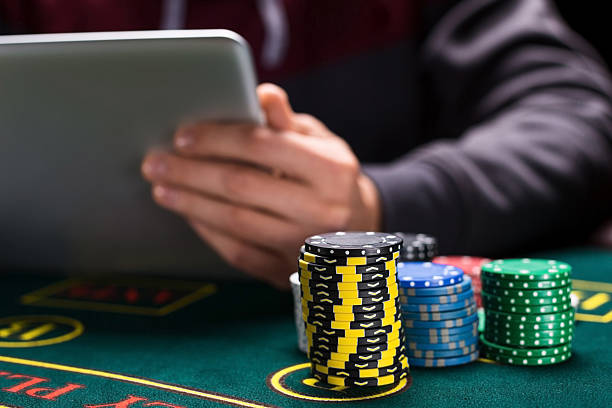
Exploring Mental Well-Being Resources Online
Understanding the psychological effects of gambling and its impact on mental well-being is crucial for individuals seeking help or information. Online resources can provide valuable insights into recognizing problematic behaviors and finding support. Websites dedicated to mental health awareness offer information on coping strategies, counseling options, and community support networks.
In a world where digital access is essential, utilizing online platforms can empower individuals to take control of their mental health. By exploring these resources, people can gain the knowledge and support necessary to navigate the complexities of gambling and its psychological effects, ultimately fostering a healthier relationship with gambling and enhancing their overall well-being.